
Australian Open 2026 Viral Animated Stream Moves Behind Paywall
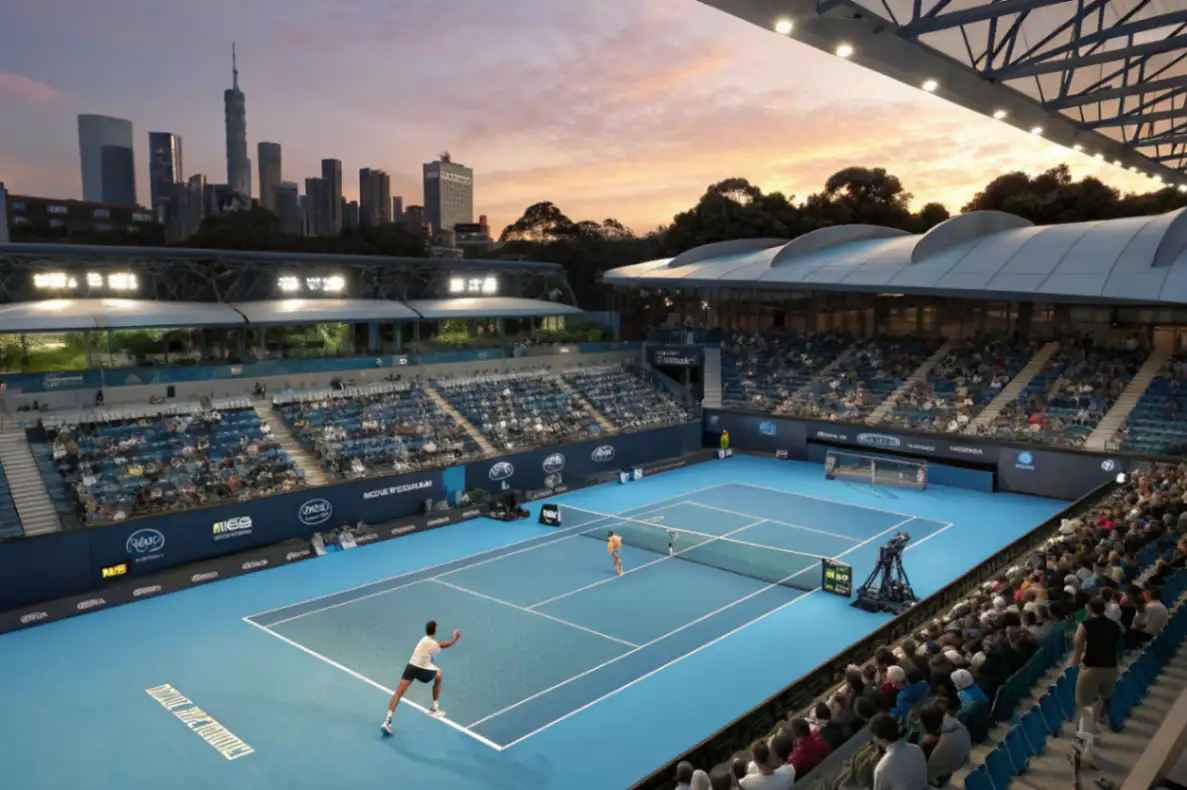
The Australian Open has always been a tournament willing to experiment with technology, but its viral animated live stream format pushed innovation to a completely new level. During recent editions, the simplified animated broadcast attracted millions of casual viewers, younger fans, and audiences outside traditional tennis markets. In 2026, however, Tennis Australia made a decision that has sent shockwaves through the sports media world: the animated Australian Open stream is no longer free. The once universally accessible digital experience is now locked behind a paid subscription, fundamentally changing how fans engage with one of the biggest Grand Slam tournaments.
This move reflects broader trends in sports monetization, digital broadcasting, and the growing value of alternative viewing formats. While some fans see the decision as inevitable, others argue it undermines the very spirit that made the animated stream go viral in the first place.
Understanding why this change happened, how it affects viewers, and what it signals for the future of sports streaming requires a deep look at the strategy behind the Australian Open’s digital evolution.
The Rise of the Australian Open Animated Stream Phenomenon
The animated Australian Open stream was originally introduced as an experimental broadcast designed to simplify tennis for digital-native audiences. Instead of traditional camera angles, the stream used real-time tracking data to display matches as minimalist animated avatars moving across a virtual court. This approach stripped tennis down to its essentials: positioning, shot selection, rally dynamics, and momentum.
What made the format explode in popularity was its accessibility. Viewers who found standard tennis broadcasts overwhelming or slow suddenly had a clean, intuitive way to follow matches. The animated feed became especially popular on social media, where short clips spread rapidly across platforms like X, TikTok, and Reddit. Fans praised its clarity, low bandwidth requirements, and the fact that it worked seamlessly on mobile devices.
By 2024 and 2025, the animated Australian Open live stream was no longer a novelty. It had become a core digital product, attracting millions of viewers globally, many of whom were not traditional tennis fans. This success laid the groundwork for a difficult question: should such a valuable product remain free forever, or should it be monetized like premium broadcast rights?
Why the Australian Open 2026 Animated Stream Became Paid
The decision to move the Australian Open 2026 animated stream behind a paywall was driven by both financial realities and strategic ambition. Developing and maintaining real-time animation technology is far from cheap. The system relies on advanced player tracking, low-latency data processing, cloud infrastructure, and constant visual optimization. As usage grew, so did operational costs.
Another factor was the shift in audience value perception. Tennis Australia recognized that the animated stream was no longer a secondary product but a primary way many fans consumed matches. When a free feature becomes essential, it inevitably attracts monetization discussions. The organization also faced pressure from traditional broadcasters, who pay enormous sums for exclusive rights and were increasingly uncomfortable with a free alternative drawing viewers away from standard coverage.
The paid model introduced in 2026 reflects a compromise between innovation and revenue protection. Instead of replacing traditional broadcasts, the animated stream is now positioned as a premium digital experience. This allows Tennis Australia to invest further in technology while preserving the exclusivity of its media partnerships.
Below is a comparison of the animated stream before and after the paywall introduction.
| Feature | Free Animated Stream (Before 2026) | Paid Animated Stream (2026) |
|---|---|---|
| Access | Open to all users worldwide | Requires subscription |
| Match Coverage | Selected courts and matches | Full tournament coverage |
| Video Quality | Standard animation | Enhanced animations and UI |
| Data Layers | Basic ball and player movement | Advanced stats and analytics |
| Ads | Limited or none | Reduced or ad-free |
This shift fundamentally changes how fans interact with the tournament. While some welcome improved features, others feel priced out of a format that was once celebrated for its openness.
How Fans Reacted to the Paywall Decision
Fan reaction to the Australian Open animated stream becoming paid has been sharply divided. Longtime tennis supporters often see the move as reasonable, especially given the rising costs of producing high-quality digital content. They argue that paying for a refined, data-rich experience is no different from subscribing to sports streaming services or cable channels.
However, younger fans and casual viewers have expressed frustration. For many, the animated stream was their primary or only way of following the Australian Open. Its free availability removed barriers, especially in regions where official broadcasters are expensive or unavailable. Social media discussions quickly filled with criticism, accusing Tennis Australia of prioritizing profit over accessibility.
Common reactions included disappointment over losing free access, concerns about regional pricing, and fears that the animated stream would eventually become exclusive to high-tier subscription bundles. At the same time, a noticeable segment of users subscribed almost immediately, signaling that demand remained strong despite the new cost.
From a digital engagement perspective, the backlash was expected but manageable. Similar reactions have occurred whenever free digital products transition into paid services. The key question is whether long-term retention will justify the initial drop in casual viewership.
What Makes the Paid Animated Stream Different in 2026
To justify the subscription model, the Australian Open 2026 animated stream introduced several new features designed to elevate it beyond its free predecessor. The experience is now more immersive, customizable, and data-driven. Viewers can switch camera perspectives, track individual players more closely, and access advanced match statistics in real time.
The interface has also been refined to feel more like a premium product rather than an experimental tool. Animations are smoother, player movements are more accurate, and contextual overlays explain tactics, serve patterns, and rally lengths. These improvements target viewers who want deeper insight into the game without watching a traditional broadcast.
Key enhancements that define the paid version include:
- Full access to all courts and matches, including early rounds.
- Advanced analytics overlays showing shot speed, positioning, and trends.
- Custom viewing modes for singles and doubles matches.
- Reduced latency compared to standard live streams.
- Optional commentary designed specifically for the animated format.
After the list of features, it becomes clear that the animated stream has evolved into a standalone broadcast product rather than a simplified alternative. The challenge lies in balancing innovation with inclusivity, especially for fans who valued the original free model.
Impact on Tennis Broadcasting and Media Rights
The Australian Open’s decision has broader implications for tennis broadcasting as a whole. Animated streams blur the line between traditional sports coverage and esports-style viewing, creating new monetization opportunities. By placing the animated feed behind a paywall, Tennis Australia signals that alternative formats can be just as valuable as conventional television broadcasts.
This move also strengthens the tournament’s negotiating position with broadcasters. Instead of competing with free digital content, media partners can now integrate the animated stream into subscription bundles or premium packages. In the long term, this could lead to hybrid broadcast models where fans choose between multiple viewing styles at different price points.
For the tennis industry, the message is clear: innovation does not have to undermine revenue. If anything, it can expand the overall value of broadcast rights by appealing to diverse audience segments. Other Grand Slam tournaments are already watching closely, and similar models could appear at Roland Garros, Wimbledon, or the US Open in the near future.
The Role of Data and Technology in Monetization
At the heart of the animated stream’s success is data. Player tracking, ball trajectory analysis, and real-time processing enable a viewing experience that would have been impossible a decade ago. In 2026, data is no longer just a behind-the-scenes tool but a product in itself.
By charging for the animated stream, the Australian Open effectively monetizes access to structured tennis data presented in an engaging visual form. This aligns with broader trends in sports analytics, where fans increasingly want insights rather than just visuals. The subscription fee reflects not only the animation but the intelligence layered into the experience.
Technology partners also benefit from this model. Paid access allows for deeper integration, experimentation with AI-driven insights, and continuous improvement without relying solely on advertising revenue. Over time, this could transform how tennis fans learn the game, analyze players, and engage with matches.
What This Means for the Future of Sports Streaming
The transition of the Australian Open animated stream to a paid model marks a turning point in sports streaming strategy. Free access helped the format gain traction, but long-term sustainability required monetization. The 2026 decision shows that even experimental formats can mature into premium products if demand is strong enough.
For fans, the future likely involves more choice but also more fragmentation. Different viewing styles may come with different price tags, forcing audiences to decide what kind of experience they value most. For organizers, the challenge will be maintaining accessibility while continuing to innovate and generate revenue.
Ultimately, the animated stream’s journey reflects the evolving relationship between technology, fandom, and monetization. What began as a viral experiment has become a symbol of how modern sports adapt to digital audiences in an increasingly competitive media landscape.
Conclusion
The Australian Open 2026 animated stream moving behind a paywall is more than a simple pricing change. It represents the maturation of a digital innovation that reshaped how tennis can be watched. While the decision has divided fans, it also highlights the growing importance of alternative broadcast formats in modern sports.
As technology continues to redefine viewer expectations, the balance between free access and premium experiences will remain a central debate. The Australian Open has made its choice, setting a precedent that could influence the future of tennis streaming worldwide.