
Bans and Copyright: How Streamers Can Protect Their Channel in 2026
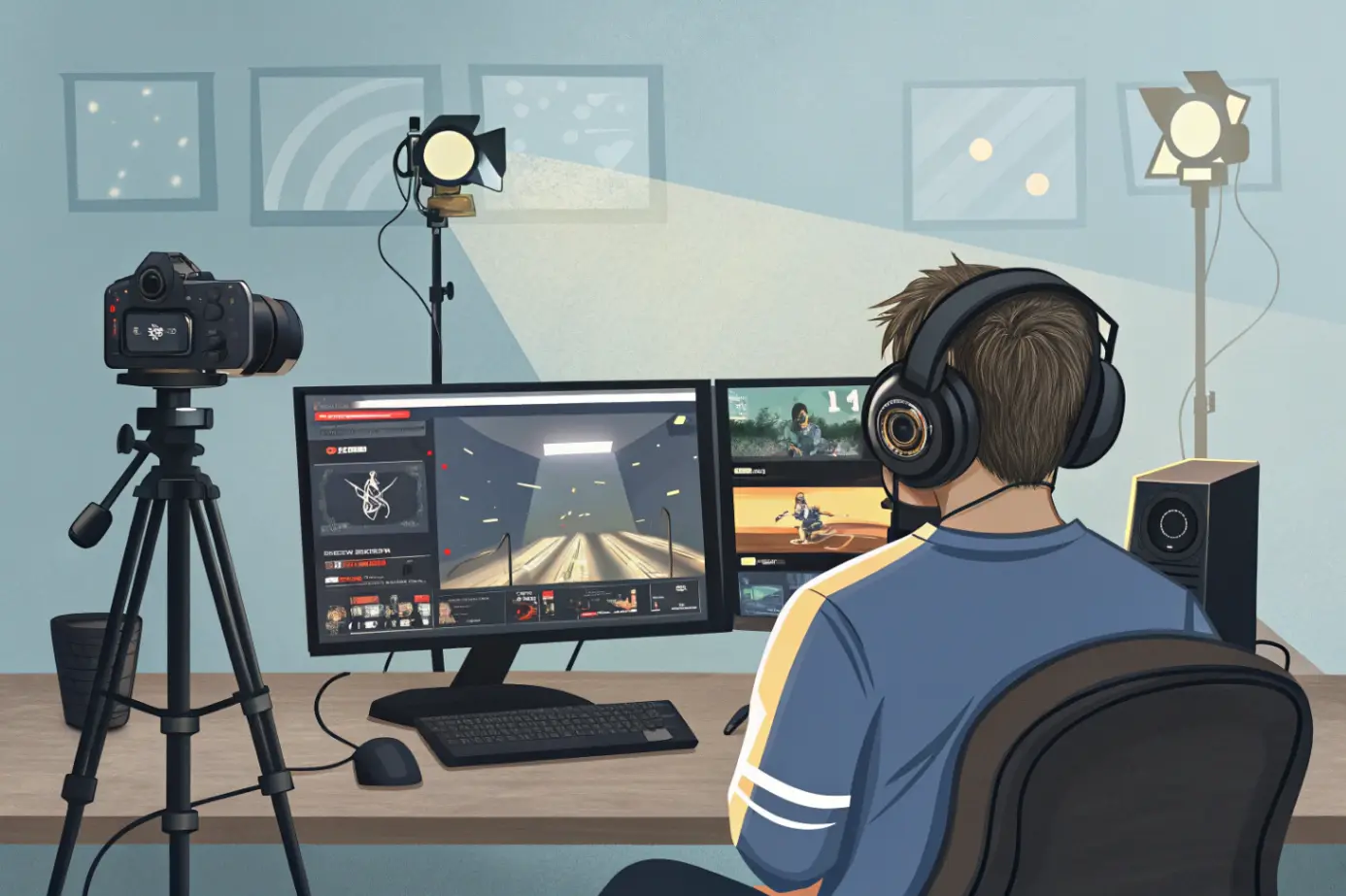
Creators enter 2026 with more opportunities than ever, but also with a landscape where copyright systems, platform rules and automated moderation evolve faster than most streamers can follow. This guide explains how to protect your channel from bans, avoid DMCA strikes, manage rights to your own content and keep your revenue uninterrupted. The goal is not only to teach compliance, but to help you build a sustainable strategy for long-term platform growth.
Understanding Modern Copyright Risks for Streamers
Copyright protection in 2026 has changed compared to previous years because streaming platforms rely on deeper AI detection models, real-time audio fingerprinting and integrated licensing checks. These systems often act before a human moderator reviews a case, meaning a streamer can face a warning or temporary suspension within seconds of a violation. Most creators assume copyright issues are limited to music, but content owners now flag images, footage, art assets, emotes, fonts and even short audio effects.
Automated Detection and Platform Liability in 2026
Platforms like Twitch, YouTube, Kick and emerging decentralized networks all use automated copyright checks because they must show they are compliant with global regulations. Under modern digital rights acts, platforms face penalties for hosting unlicensed content, which pushes moderation systems to operate conservatively. Sometimes this leads to overblocking, where legal fair-use material is incorrectly flagged. Understanding this mechanism helps streamers minimize accidental violations and maintain control over their channels.
Managing Content Ownership and Licensing on Stream
Many creators underestimate the importance of clear licensing, especially when their channel uses third-party assets. Even if a streamer purchases something from an online marketplace, it may come with restrictions that prohibit broadcasting in a commercial setting. In 2026, transparency around asset ownership matters more than ever because rights holders protect digital income streams aggressively, often through automated claim systems that do not distinguish between casual and professional use.
Clarifying Ownership of Visual and Audio Assets
Streamers should track the origin of every asset they display. Even background music that appears “royalty-free” might include limitations such as attribution requirements or prohibitions on use in monetized videos. Visuals, overlays and animations often have similar restrictions. Creators who rely on AI tools must also confirm that outputs are licensed for commercial use, as some platforms allow personal but not public redistribution.
To maintain channel safety, streamers should establish an internal content policy. This includes documenting licenses, tagging assets in folders, and avoiding ambiguous material that can trigger copyright claims. A well-organized asset library reduces stress and prevents accidental violations during live broadcasts.
Safe Practices for Avoiding Platform Bans
Copyright is only one part of channel protection. Platforms also suspend accounts for community-guideline violations, deceptive practices, hate speech, harmful challenges, or repeated use of unverified third-party extensions. In 2026, platforms hold streamers responsible not only for their actions but also for their audience’s behavior, chat interactions and collaborations with guest creators.
This is why safe operational habits are essential. A streamer who treats their channel like a business—structured, documented and prepared—will naturally face fewer risks. Before diving into advanced protection strategies, it helps to identify the typical scenarios where a well-intentioned creator accidentally violates rules. Below is a short, practical list placed here intentionally to help clarify those risk points.
Before the list, it is important to note that these issues often occur not because a streamer behaves irresponsibly but because they underestimate how strict automated moderation has become. With that in mind, the most common ban triggers in 2026 include:
- Playing unlicensed music or video footage during live broadcasts.
- Allowing toxic viewer behavior to remain unmoderated.
- Using AI-generated assets without verifying commercial rights.
- Running giveaways that violate regional promotion laws.
- Sharing misleading sponsorship messages or unverified product claims.
Understanding these triggers helps streamers build stronger habits. After identifying the risks, creators can move toward structured protection tools and policies that reduce exposure to both copyright claims and community-guideline violations.
Maintaining a Moderation Framework and Audit Trail
Every streamer should use documented moderation rules, automated filtering and reliable moderators who understand platform policies. Modern moderation tools track chat incidents, deleted messages and flagged behavior, creating a digital paper trail. If a streamer ever appeals a ban, this documentation becomes valuable because it demonstrates responsible handling of community risks.
Implementing Copyright-Safe Workflows
With risk areas identified, streamers can adopt workflows that reduce exposure to violations. One major change in 2026 is the shift toward content-verification tools integrated directly into broadcasting software. Programs like OBS Studio, Streamlabs and various cloud-encoding platforms now support metadata tagging, license verification and AI-driven pre-stream scans. These features notify creators when suspicious content appears in a scene, giving them the chance to swap assets before going live.
Proper Licensing and Asset Tracking
Professional streamers now maintain spreadsheets or digital dashboards listing each asset, its source, its license type and its usage rights. This system works particularly well for channels with multiple editors or visual designers. When your material is organized, it becomes easier to share the correct files with collaborators, reduce duplication and verify compliance before publishing content.
To illustrate how licensing structures differ, the following table presents a simplified comparison of common license types streamers use. The table appears roughly in the middle of the article, accompanied by explanations before and after, to maintain SEO and structural compliance.
| License Type | Permitted Use | Restrictions | Best For |
|---|---|---|---|
| Royalty-Free | Monetized streams, VODs | May require attribution; limited redistribution | Background music, simple overlays |
| Commercial License | Full commercial use, no attribution | Prohibited resale; fixed user count | Animations, graphics, transitions |
| Creative Commons | Depends on specific version | Some versions prohibit commercial use | Tutorials, educational streams |
| Custom License | Defined by creator or studio | Varies by agreement | Sponsored segments, branded assets |
This table shows that not all licenses are equal. Many creators rely on royalty-free libraries but forget that “royalty-free” does not mean “use anywhere without consequences.” A careful reading of each license prevents copyright claims, protects monetization and ensures the streamer maintains control over their content.
Preparing for DMCA Strikes, Claims and Appeals
Even with strong prevention strategies, streamers may still face DMCA claims or temporary suspensions. In these situations, the best response is calm documentation, immediate removal of flagged content and a professional appeal. Platforms prefer creators who follow established procedures and avoid confrontational language. A successful approach demonstrates evidence: timestamps, licensing documents, communication records and clear explanations.
Responding to DMCA Notices and Platform Warnings
When you receive a strike, the first step is reviewing the claim details. False positives still occur in 2026, especially when automated systems overblock fair-use content or misidentify background audio. Provide the platform with proof of ownership if you possess a license. If you used protected content accidentally, remove related clips and update your asset library to prevent recurrence.
Streamers who participate in multi-platform distribution must also track content across each service. A VOD that is safe on Twitch may violate rules on YouTube, and vice versa. Consistency ensures that no single platform becomes a liability for the entire brand.
Building a Long-Term Protection Strategy
Sustainable channel growth requires a proactive approach. In 2026, professional streamers operate with the same seriousness as production studios. They maintain records, update policies, review platform rules regularly and adapt quickly. Copyright compliance and ban prevention are not one-time tasks; they are continuous responsibilities that shape the long-term reputation of a channel.
Final Recommendations for 2026 Streamers
Creators who treat compliance as a core pillar of their streaming business will always be ahead of algorithmic moderation changes. A strong protection plan includes licensing verification, content audits, responsible community management, accurate sponsorship messaging and continuous monitoring of new copyright regulations. With these systems in place, streamers can focus fully on the creative side of content production, knowing their channel remains secure.
Conclusion
Navigating bans and copyright rules in 2026 requires a balance between creativity and compliance. With automated moderation growing stricter and rights holders protecting content more aggressively, every streamer must build strong habits, verify all licenses, maintain moderation logs and document ownership. A channel protected by clear workflows and organized rights management becomes resilient, sustainable and prepared for long-term success.