
Sales Through Streams: the biggest creator economy trend of 2026
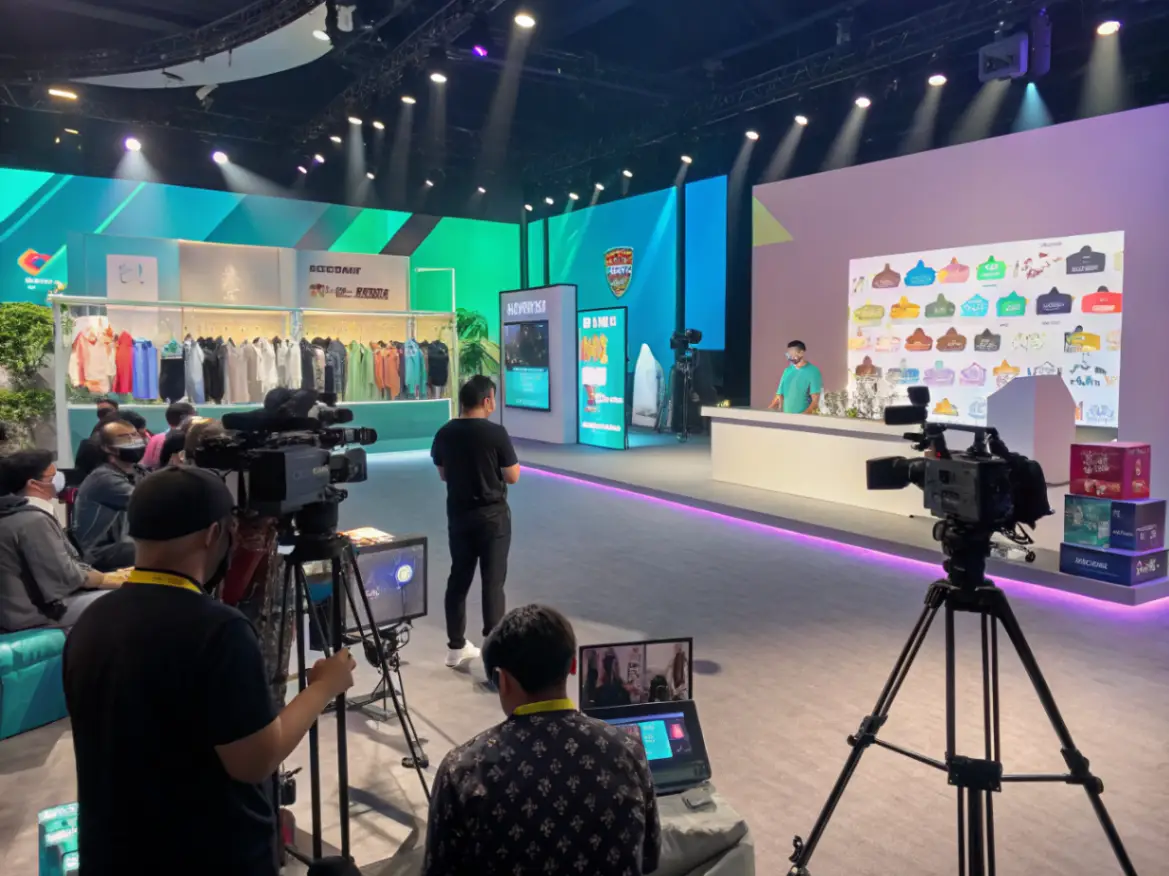
The creator economy has already moved far beyond sponsored posts and affiliate links. In 2026, live commerce has become one of the most profitable and fastest-growing formats in digital media. Audiences no longer want static product pages or polished advertising campaigns that feel disconnected from real life. They want interaction, immediacy, personality, and proof that a product works in real time. Streaming delivers all of that at once.
What started as gaming broadcasts and casual lifestyle streams has evolved into a powerful sales ecosystem. Creators are launching products directly during live sessions, brands are building entire campaigns around creators instead of traditional ads, and viewers are becoming customers within seconds without leaving the stream. Platforms are investing heavily in shopping integrations because they understand one important shift: attention alone is no longer enough. The real value comes from converting engagement into transactions while the audience is emotionally involved.
The rise of livestream commerce is changing how people discover products, how brands measure influence, and how creators build sustainable businesses. A creator with a loyal community and strong live presence can now outperform media companies with much larger budgets. The relationship between audience trust and purchasing decisions has never been more direct.
Why livestream commerce became mainstream
The biggest reason behind the rise of sales through streams is simple: people trust live interaction more than polished advertising. Traditional digital marketing has become predictable. Consumers recognize scripted influencer integrations immediately, and many have developed resistance to overly produced content. Livestreams create the opposite effect. They feel spontaneous, transparent, and human.
Viewers can ask questions instantly. They can see products tested without editing tricks. They can observe genuine reactions from creators and audiences in real time. This removes much of the skepticism associated with online shopping.
Another major factor is the shortening attention span of online audiences. Users increasingly prefer formats that combine entertainment and shopping instead of separating them. Livestreams merge both experiences naturally. A viewer joins for entertainment and leaves with a purchase because the transition feels organic rather than forced.
Mobile-first behavior also accelerated the trend. Consumers now spend enormous amounts of time on vertical video platforms and streaming apps. Integrating commerce directly into these ecosystems eliminates friction. Instead of moving users through multiple pages, platforms allow purchases during the viewing experience itself.
Several industries adapted especially quickly to live sales:
• Beauty and skincare brands discovered that demonstrations convert better live than through edited tutorials.
• Fashion companies began using creators as real-time storefronts instead of relying only on studio campaigns.
• Gaming creators started selling peripherals, subscriptions, and collectibles during streams.
• Fitness influencers turned live training sessions into direct product funnels.
• Food creators transformed cooking streams into instant ingredient and equipment sales.
This shift is not limited to entertainment creators anymore. Journalists, educators, consultants, and niche experts are entering livestream commerce because audiences increasingly value authenticity over celebrity status.
How creators turned audiences into buyers
The mechanics behind livestream selling are deeply connected to psychology. Traditional ecommerce relies heavily on product pages, specifications, and reviews. Streaming creates emotional momentum instead. The purchase decision becomes part of a social experience.
Scarcity plays a huge role. Limited-time discounts during streams trigger urgency. Flash product drops create excitement similar to sneaker launches or ticket releases. When thousands of viewers are watching the same offer in real time, hesitation decreases dramatically.
Community behavior also influences conversions. Viewers see comments from other users buying products instantly. This creates social validation that static ecommerce rarely achieves. A product recommendation feels stronger when an audience collectively reacts positively during a live event.
Creators who succeed in live commerce rarely behave like aggressive salespeople. The most effective streamers integrate products into their natural content style. The audience feels like it is participating in a recommendation rather than watching an advertisement.
Successful livestream sellers usually focus on several important principles:
• They demonstrate products instead of simply describing them.
• They answer uncomfortable questions honestly instead of avoiding criticism.
• They maintain entertainment value even during promotional segments.
• They build recurring habits through scheduled live shopping events.
• They prioritize audience trust over short-term sales spikes.
Audiences are becoming highly sensitive to forced monetization. Creators who overload streams with constant sales pitches often lose engagement quickly. The strongest performers understand that livestream commerce is still content first and sales second.
This balance explains why micro-creators are increasingly outperforming larger influencers in certain categories. Smaller communities tend to have stronger trust and higher interaction rates. A creator with 50,000 highly engaged followers can generate more sales than a celebrity with millions of passive viewers.
The platforms competing for livestream dominance
Every major platform now wants to control live shopping infrastructure because the financial upside is enormous. Advertising revenue alone is no longer enough to satisfy platform growth expectations. Commerce creates additional transaction-based income while keeping users inside the ecosystem longer.
TikTok played a massive role in normalizing impulse purchases through short-form content and live selling. The platform blurred the line between entertainment and ecommerce more effectively than competitors. Users became comfortable buying products directly from creators without leaving the app.
YouTube responded by strengthening monetization tools for livestream creators. Twitch expanded beyond gaming and introduced more shopping integrations. Instagram continued merging creator storefronts with live interaction features. Even newer decentralized creator platforms began experimenting with embedded commerce systems.
The competition between platforms pushed rapid innovation. Features that once felt experimental became standard within months. Real-time checkout systems, AI-generated product recommendations, live affiliate tracking, and interactive overlays are now expected components of modern streaming ecosystems.
The market evolved so quickly that platform strategies began to diverge. Some focused on large celebrity-driven commerce events, while others invested in niche communities with stronger loyalty and conversion rates.
The table below highlights how major platforms approached livestream commerce in 2026.
| Platform | Main strength | Typical audience behavior | Best-performing categories |
|---|---|---|---|
| TikTok Live | Fast impulse purchases | Short sessions with high engagement | Beauty, fashion, gadgets |
| YouTube Live | Long-form trust building | Deep product research during streams | Tech, education, fitness |
| Twitch | Community loyalty | Recurring viewing habits | Gaming, collectibles, hardware |
| Instagram Live | Lifestyle integration | Social shopping behavior | Fashion, luxury, wellness |
| Kick & emerging apps | Creator monetization flexibility | Experimental audiences | Digital products, memberships |
These differences matter because livestream commerce is no longer universal. Each platform attracts distinct purchasing behavior. A strategy that works perfectly on TikTok may fail completely on YouTube because viewer expectations differ significantly.
Brands are adapting by creating platform-specific campaigns instead of reposting identical content everywhere. This requires deeper collaboration with creators who truly understand their audiences.
Why brands are changing their marketing budgets
The advertising industry spent years trying to measure creator influence accurately. Livestream commerce simplified that process dramatically because results became visible instantly. Brands can now track sales directly during broadcasts instead of relying on vague engagement metrics.
This changed budget allocation across entire marketing departments. Companies that once prioritized traditional digital advertising are shifting larger portions of spending toward creator partnerships and live events.
One important reason is efficiency. Live commerce campaigns often deliver multiple goals simultaneously:
• Brand awareness through audience exposure.
• Direct conversions during the stream itself.
• User-generated clips that continue spreading afterward.
• Community building around recurring broadcasts.
• Valuable consumer feedback in real time.
The interactive nature of streams also provides immediate market research. Brands can observe which products generate excitement, what objections customers raise, and which features matter most to audiences. This information becomes valuable far beyond the stream itself.
Another major advantage is adaptability. Traditional campaigns can take months to produce and launch. Livestream campaigns move quickly. Brands can test products, messaging, and pricing strategies almost instantly.
This speed is especially important in industries driven by trends and fast-moving consumer behavior. Fashion brands, beauty companies, and consumer tech businesses increasingly rely on creators because they can react to cultural moments much faster than corporate marketing teams.
At the same time, brands are becoming more selective about partnerships. Large follower counts no longer guarantee results. Conversion quality matters more than vanity metrics. Companies now analyze audience retention, live engagement, community trust, and purchase behavior before signing deals.
The creator economy matured significantly because of this shift. Successful creators increasingly operate like media companies with dedicated production teams, analytics systems, and commerce strategies.
The technology shaping live sales in 2026
Technology has transformed livestream shopping from a simple broadcast into a highly interactive experience. Artificial intelligence now plays a central role in personalizing recommendations during streams. Platforms analyze viewing behavior, chat interaction, and purchase history to suggest products in real time.
AI translation tools also expanded global reach dramatically. A creator streaming in English can now sell effectively to multilingual audiences through near-instant subtitles and voice translation systems. This removed one of the biggest barriers to international creator commerce.
Augmented reality became another important factor. Viewers can virtually test products during streams without leaving the platform. Fashion brands allow users to preview clothing digitally, while beauty creators offer real-time cosmetic visualization tools.
Several technologies are driving the next phase of livestream commerce growth:
• AI-powered product recommendations during live broadcasts.
• Interactive overlays with instant checkout functionality.
• Real-time translation and multilingual audience support.
• AR product testing for beauty, fashion, and home design.
• Smart clipping systems that turn streams into short viral videos.
These tools are making streams more accessible for smaller creators as well. Production quality no longer depends entirely on expensive equipment or large teams. Automated editing, moderation, analytics, and merchandising systems allow independent creators to scale faster than before.
The integration between community and commerce is becoming deeper every year. Membership systems, subscriber perks, exclusive drops, and gamified rewards encourage viewers to stay inside creator ecosystems longer.
At the same time, audiences are becoming more demanding. Poorly executed live sales now fail quickly because viewers have many alternatives. High production quality alone is not enough anymore. Personality, expertise, trust, and entertainment remain essential.
What the future of creator-driven commerce looks like
The growth of livestream selling is not a temporary trend. It reflects a broader transformation in digital behavior. Consumers increasingly prefer interactive experiences over passive advertising. The creator economy succeeded because it made media feel personal again, and livestream commerce extends that relationship directly into purchasing decisions.
The next stage will likely blur the distinction between entertainment platforms and ecommerce platforms entirely. Shopping will become embedded naturally into digital experiences instead of existing as a separate activity.
Creators are also diversifying beyond physical products. Digital goods, subscriptions, education, consulting, premium communities, and virtual experiences are becoming major revenue sources during streams. The definition of “selling” is expanding rapidly.
Virtual influencers and AI-assisted creators will probably grow in importance as well, although human authenticity still remains the strongest advantage in live environments. Audiences continue to respond best to personalities that feel relatable and emotionally real.
Brands will increasingly prioritize long-term creator relationships instead of one-off sponsorships. Recurring collaborations build familiarity and trust, which are crucial for livestream conversions. The future belongs less to isolated campaigns and more to creator-led ecosystems.
Several long-term trends are already becoming visible:
• Smaller niche communities are generating higher-value customer relationships.
• Live experiences are replacing static product marketing.
• Creator-owned brands are competing directly with traditional companies.
• Subscription-based creator businesses are becoming more stable than ad revenue alone.
• Audiences expect direct interaction before making purchasing decisions.
This evolution changes the role of creators completely. They are no longer simply influencers promoting external brands. Many are becoming retailers, media networks, educators, and entrepreneurs simultaneously.
The creator economy of 2026 is not defined only by views or followers. Revenue efficiency, audience trust, and community participation matter far more than viral reach alone. Livestream commerce sits at the center of that transformation because it combines all three elements in one format.
Conclusion
Sales through streams became the defining creator economy trend of 2026 because they solve several problems at once. They create stronger audience engagement, shorten the distance between discovery and purchase, and allow creators to monetize trust directly instead of relying entirely on algorithms or advertising rates.
Consumers increasingly want experiences that feel immediate and authentic. Livestream commerce delivers that in a way traditional ecommerce struggles to replicate. The interaction feels human, the demonstrations feel real, and the purchasing process feels natural rather than forced.
For creators, streaming offers more control over monetization and audience relationships. For brands, it provides measurable performance and deeper consumer insight. For platforms, it increases retention and transaction revenue simultaneously. Every side of the ecosystem benefits from the shift, which explains why live commerce continues expanding so aggressively.
The most successful creators in the coming years will not simply entertain audiences. They will build trusted communities capable of driving meaningful economic activity in real time. That is why livestream commerce is no longer viewed as an experimental format. It has become one of the foundations of the modern digital economy.